%20Article%20Image.avif)
What We Noticed About Fast-Growing Faceless Channels
In the past few months, we’ve noticed something interesting in the faceless YouTube world. Some automated channels struggle for months before getting views, while others suddenly blow up in less than 30 days.
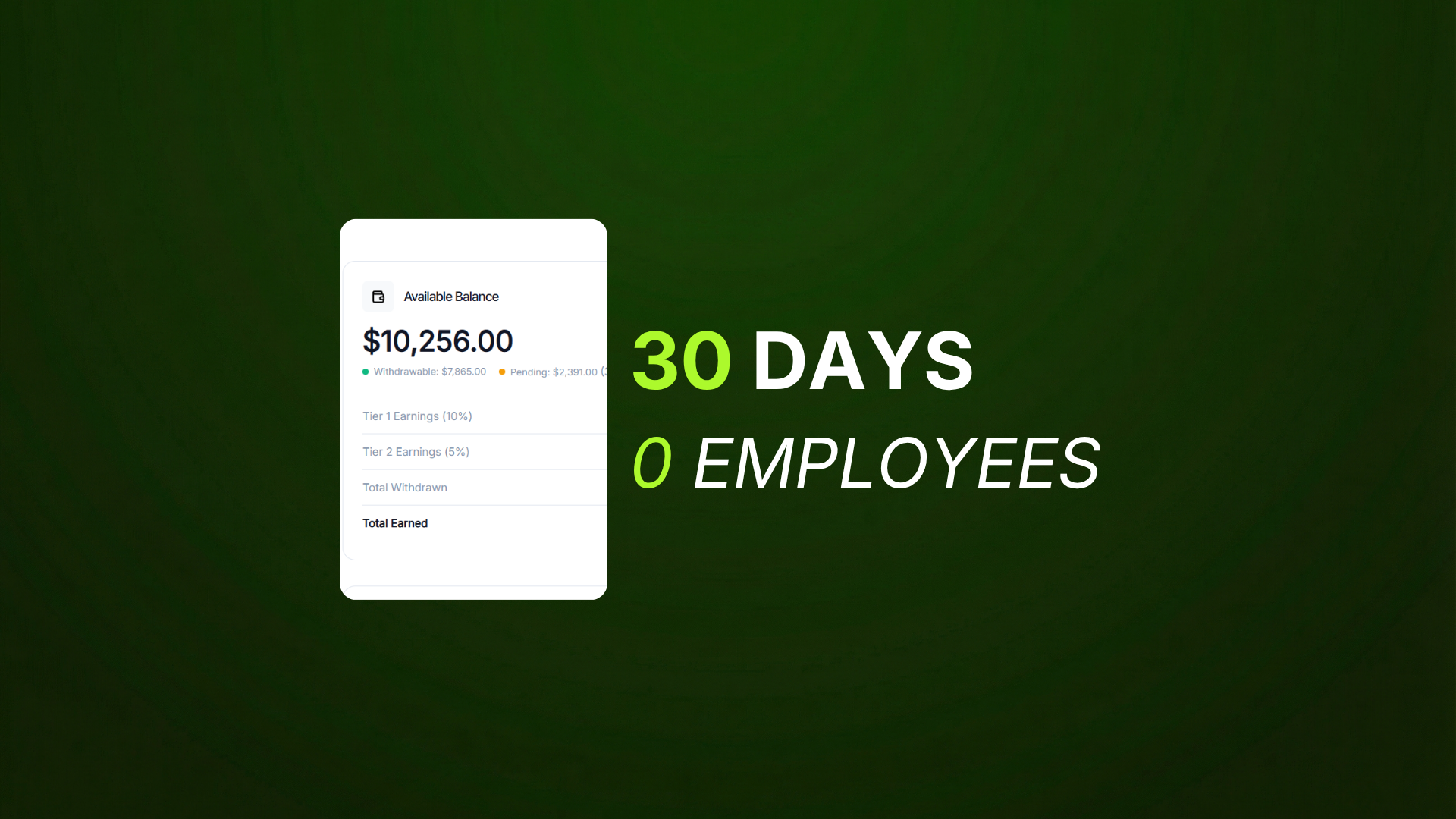
Several creators have launched brand-new channels that pulled in hundreds of thousands, sometimes even millions, of views almost right away. In many of those cases, the channels started making money quickly because they already had products or affiliate offers connected to their videos.
What’s even more surprising is that these channels weren’t using expensive studios, big production teams, or years of audience building. Many of them were built with simple automation systems, AI-generated influencers, and carefully chosen video topics. Instead of uploading random videos and hoping one works, these creators followed a clear plan and posting schedule from the very beginning. Their videos were designed to grab attention immediately, which helped them grow much faster than traditional channels.
After studying many of these examples and breaking down how they work, one thing became clear:
Fast growth isn’t luck.
It comes from using a repeatable system.
Strategy Breakdown
While rapid growth is clearly possible, not every fast-moving faceless channel is safe long term. Many recently terminated channels followed a risky content strategy focused on highly sensitive topics such as politics, breaking news, or conflict-related stories. These subjects can generate huge view spikes quickly, but they also carry a much higher probability of demonetization or removal if accuracy, sourcing, or policy compliance becomes questionable.
Because of this, a more stable long-term strategy is to build faceless channels around monetizable value rather than pure viral controversy. Channels that connect their content to a product, digital offer, or affiliate recommendation are far more protected financially. Even if ad revenue fluctuates or gets restricted, the creator can still earn from conversions generated through their audience.
In several observed cases, the real income did not come primarily from YouTube ads at all. Instead, revenue came from digital products or subscription offers promoted through the channel’s content ecosystem. This shifts the focus away from chasing views alone and toward building a channel designed to convert attention into predictable income.
Step 1 - Start With the Offer Before the Channel
One of the biggest differences between slow channels and fast-growing ones is simple:
They choose what to sell first.
Many creators begin by producing videos and only later think about monetization. The high-performing channels do the opposite. They start by identifying:
- an affiliate product,
- a digital product,
- a subscription community,
- or a recurring commission tool.
Recurring commissions are especially powerful because they generate income every month instead of a one-time payout. This changes the entire business model because even a moderate number of conversions can compound into stable monthly revenue. Instead of chasing viral views for ad money, creators can focus on attracting the right audience that is more likely to purchase or subscribe.
A large number of creators discover affiliate opportunities through marketplaces like Whop.
Inside the platform, creators can:
- browse products,
- see commission percentages,
- instantly generate affiliate links,
- download promotional assets.
Many also compare multiple offers before choosing one, checking audience fit, price point, and whether the product solves a clear problem. The key idea is simple:
A channel with an offer earns far more per view than one relying only on ad revenue.
Step 2 - Build an AI Influencer Instead of Showing Your Face
Modern faceless channels rarely stay fully anonymous anymore.
Instead, they use AI avatars - synthetic presenters that speak, teach, or explain topics on camera.
These avatars allow creators to:
- run channels without filming,
- stay visually consistent,
- scale content faster,
- promote offers naturally.
Another advantage is that avatars remove many production bottlenecks. Creators no longer need perfect lighting, a recording setup, or multiple takes. They can update scripts quickly, regenerate visuals if needed, and maintain a consistent on-screen personality across dozens of videos without fatigue or scheduling conflicts.
Many creators generate avatar images using tools such as:
- Google Gemini
- Image models like Nano Banana Pro (inside Gemini)
- or free alternatives like LM Arena
The typical process looks like this:
- Define the niche problem the channel will solve
- Generate character identity details
- create a visual prompt specification
- generate multiple avatar versions
- keep regenerating until one looks realistic
Consistency matters more than perfection. Once viewers recognize the same character repeatedly, trust builds much faster and retention tends to improve across future uploads.
Step 3 - Write Scripts Using Proven Viral Context
Instead of brainstorming scripts from scratch, many fast-growing creators use an adaptation strategy.
They study viral videos in their niche and extract:
- structure,
- pacing,
- storytelling style,
- audience hooks.
This dramatically reduces guesswork because the creator is not inventing a format blindly. They are learning from content that already proved it can hold attention and generate engagement. Over time, this process builds an internal library of proven script frameworks that can be reused for multiple future topics.
To generate scripts, creators often rely on Claude.
A common workflow:
- pull a transcript from a successful YouTube video,
- save it as a document,
- upload it into Claude,
- attach a structured script writing guide,
- request a completely new script in the same storytelling style.
This approach dramatically improves output quality because the AI understands both:
- what to write, and
- how the pacing should feel.
The result is a long-form script tailored to proven audience psychology and optimized for watch time rather than just information delivery.
Step 4 - Recreate High-Performing Thumbnail Styles
Packaging plays a massive role in early growth.
Instead of guessing thumbnail designs, creators frequently reverse-engineer thumbnails that already performed well. This allows them to understand what visual patterns audiences in their niche already respond to, including color contrast, facial expression styles, object positioning, and text density.
To do this, many use: YouTube Thumbnail Grabber
Then they upload that image into: ChatGPT
and request a full structured prompt describing:
- composition,
- subject placement,
- lighting,
- typography,
- color palette.
Creators often test several variations of the generated prompt and produce multiple thumbnails before choosing one. That generated prompt can then be pasted into an image model like Gemini to produce a new thumbnail inspired by the original layout without copying it directly.
This dramatically increases click-through probability on brand-new uploads and helps new channels compete visually with established creators.
Step 5 - Generate the Talking AI Video
Once the avatar and script are ready, the final production stage is straightforward.
Most creators use HeyGen.
The workflow typically looks like this:
- upload the AI avatar image
- paste the completed script
- use auto-split for scene timing
- generate the talking presenter video
Creators often preview sections before final rendering to ensure pacing feels natural and the voice tone matches the intended audience. Small adjustments in pauses, emphasis, or background visuals can noticeably improve viewer retention once the video is published.
HeyGen automatically handles:
- lip sync
- facial movement
- voice delivery
- scene transitions
This removes the need for cameras, microphones, or studio recording and allows production to scale to multiple videos per week if needed.
At this stage, the creator already has a fully produced faceless video ready for editing and upload.
Step 6 - The Real Difference Isn’t Tools - It’s Feedback
Interestingly, the technical workflow itself is not the hardest part.
The real challenge is knowing whether:
- the niche is correct
- the scripts are strong enough
- the thumbnails are competitive
- the offer fits the audience
Many creators can technically produce videos, but without external perspective, they may repeat small mistakes across dozens of uploads. Early feedback can prevent wasted time by identifying weak hooks, unclear positioning, or packaging issues before they affect long-term channel growth.
Without feedback, creators often spend months testing blindly.
This is why many automation creators rely on communities, mentorship, or structured training systems where they can:
- ask daily questions
- show their channel for review
- receive direct improvement suggestions
Because the truth is simple:
Tools create content.
Feedback creates results.