Introduction - Why We Tested This New Automation Model
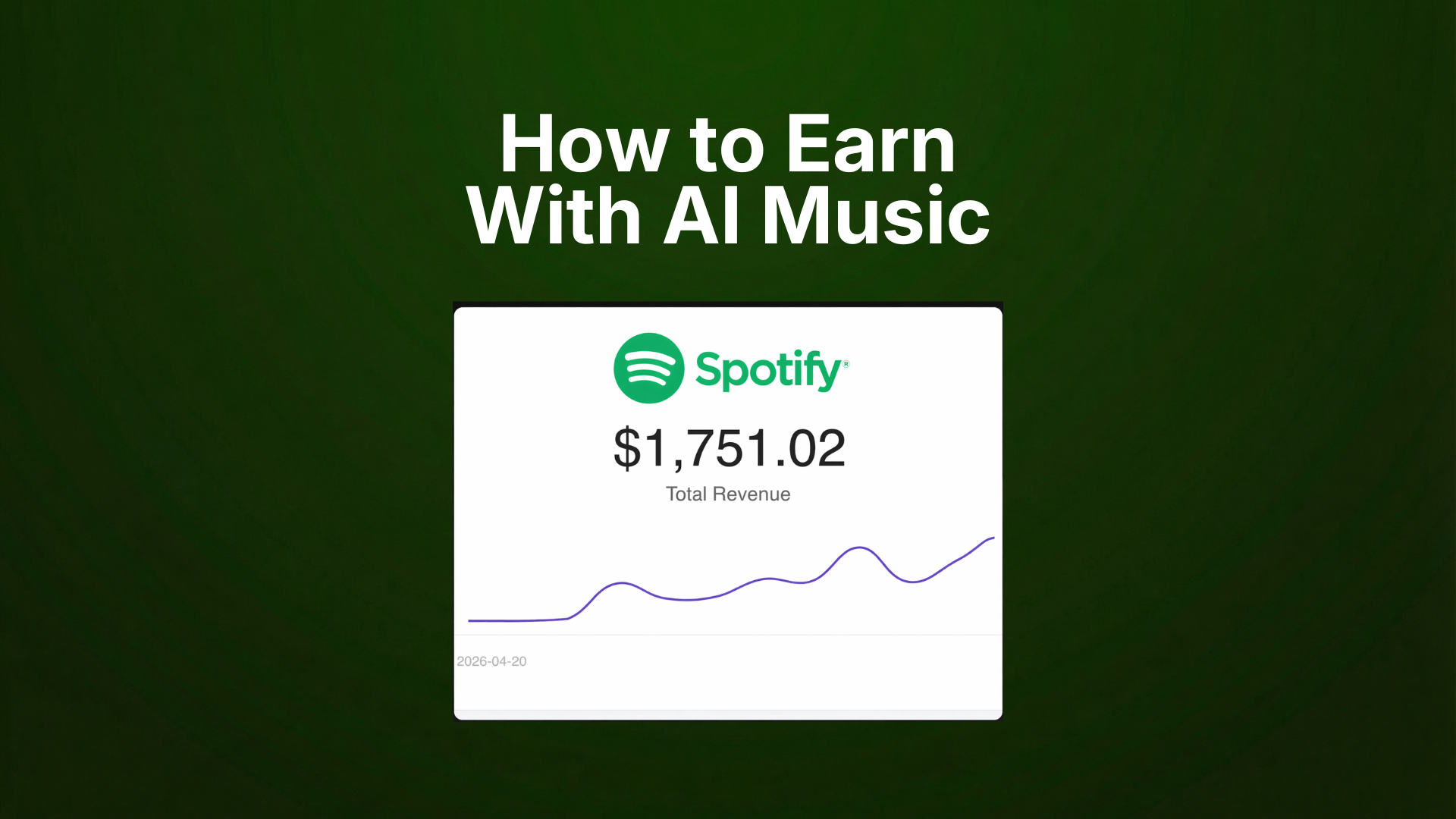
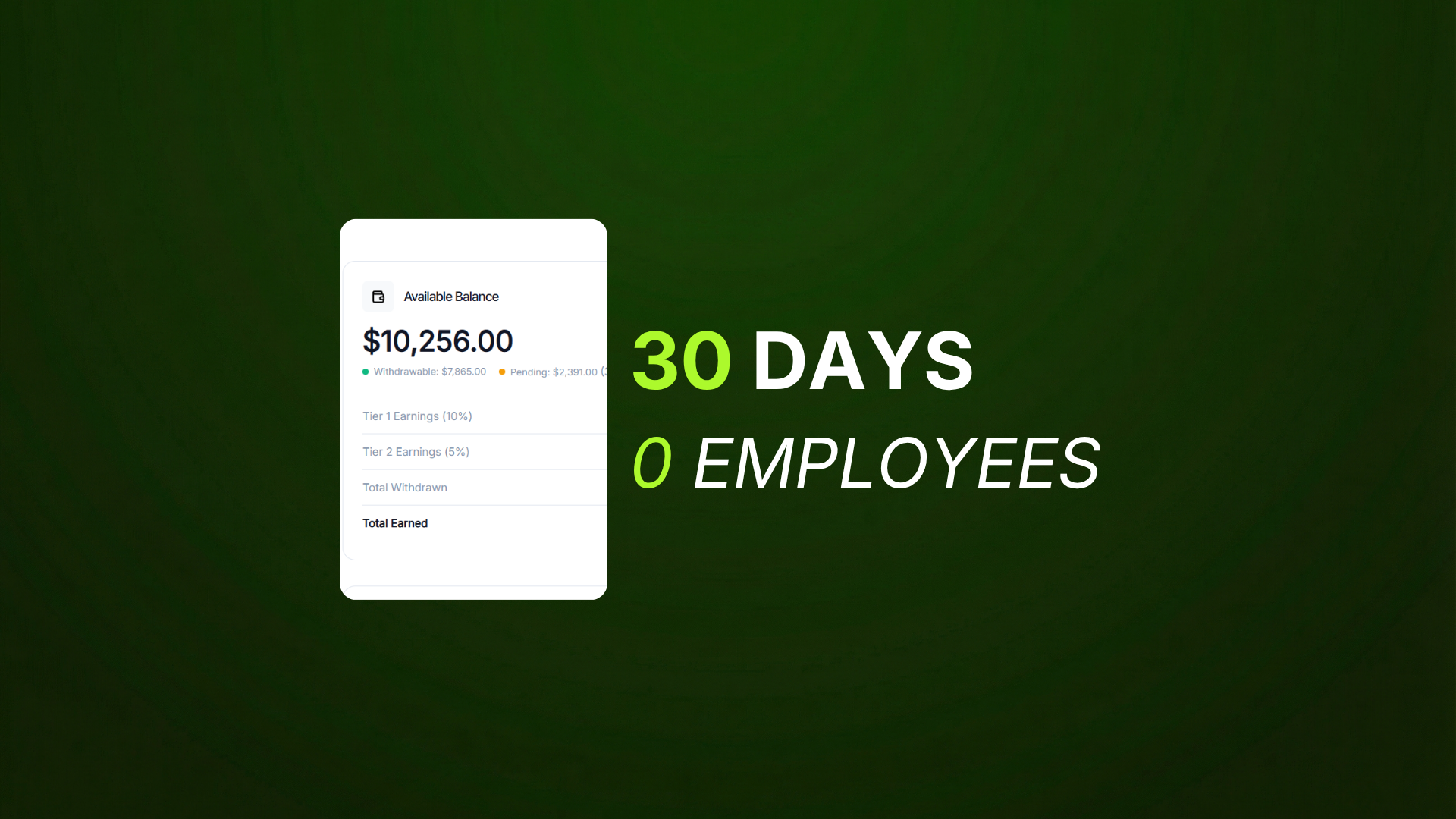
Last year, Dave Nick launched a faceless YouTube channel that ended up generating over $20,000 in just 30 days from ad revenue alone. Even better, that same channel continues producing thousands per month through affiliate commissions. No filming. No personal brand. No face on camera.
Because he operates multiple automation channels for himself and clients, he constantly tests new workflows, and recently, he noticed something unusual happening inside the faceless ecosystem. A new hybrid model started appearing. It wasn’t fully faceless. It wasn’t a traditional creator brand either. It sat somewhere in between.
After testing this system internally and sharing it with members of our creator community, he saw very interesting performance patterns. So in this guide, we’re walking through the full 10-step process exactly as we observed it in practice.
If your goal is not just views but real, scalable income, this framework connects directly to long-term monetization systems. That’s exactly what the frameworks inside are designed to support.
Now let’s break the process down step by step.
Step 1 - Pick a “Boring But Rich” Niche
There are thousands of niches you could start in.
But from what we’ve observed across hundreds of automation channels, the highest-earning ones usually share one trait:
They solve a clear problem.
Even channels pulling millions of views from entertainment often hit a ceiling with ad revenue. Problem-solving niches, however, allow you to sell products or affiliate offers, which changes the economics completely.
A smart shortcut we often test:
- Look at successful personal-brand creators
- Identify what problem they solve
- Build an AI influencer channel, solving the same problem
This confirms that real market demand already exists.
Sometimes a creator can stop posting entirely yet still generate tens of thousands monthly simply because their product subscription keeps running.
That’s the power of niche selection done correctly.
What most beginners misunderstand is that “boring” niches usually contain the strongest buyer intent. Topics like finance tools, health routines, career skills, productivity systems, or software tutorials might not look viral at first glance, but they attract viewers actively searching for solutions. Those viewers convert into customers far more often than casual entertainment viewers. When choosing a niche, it also helps to analyze search intent, advertiser competition, and affiliate availability. If multiple products exist in that space, it’s usually a strong indicator that money is already flowing there. The goal is not picking what looks exciting. The goal is picking what quietly prints revenue.
Step 2 - Build an AI Influencer as the Channel Face
This is where the new hybrid model starts.
Instead of a completely faceless voiceover channel, this system uses a synthetic AI avatar that behaves like a personal brand.
The trust difference is massive.
Here’s the creation workflow used in the transcript:
1. Find a reference image
- YouTube creator
2. Upload the image into ChatGPT using the platform ChatGPT
Ask it to:
Create a detailed JSON prompt that would allow me to replicate this image in a 16:9 ratio
3. Copy that prompt and paste it into Google’s AI image generator, Google Gemini
Generate a realistic image and download it.
Now you have a consistent AI personality for the channel.
To strengthen this process further, it helps to maintain visual consistency across every future thumbnail, video intro, and promotional asset. The avatar should feel like a recurring character viewers recognize instantly. Some creators also generate multiple lighting variations, outfits, and background styles during the initial creation phase so they can reuse them later without redesigning the character again. This saves time when scaling production. The key principle here is familiarity. Humans naturally trust recognizable faces more than anonymous narration. Even if viewers know the avatar is artificial, the psychological effect of a visual presenter dramatically improves watch time and perceived authority.
Step 3 - Find Outlier Video Ideas
Instead of brainstorming randomly, the workflow copies the structure of videos that already worked.
Process:
- Screenshot competitor video grids
- Upload the screenshot to ChatGPT
- Ask for:
Five unique YouTube video ideas in the same style and niche
This gives format-tested ideas without copying exact titles.
This approach dramatically reduces guesswork.
To push this even further, it’s useful to focus specifically on “outlier videos,” meaning videos that significantly outperform the rest of a channel’s uploads. These often reveal hidden audience triggers such as emotional framing, unusual curiosity hooks, or controversial angles. Instead of copying the topic itself, you’re extracting the performance pattern behind it. Many automation teams also track thumbnail color schemes, title word patterns, and average runtime from these outliers to replicate the packaging strategy as well. Over time, this becomes a repeatable research loop where every successful video feeds the next idea pipeline, turning content creation into a data-driven process instead of a creative gamble.
Step 4 - Write Viral Scripts Using AI Context Analysis
For scripting, the transcript specifically uses Google’s research assistant tool NotebookLM.
Workflow:
- Create a new notebook
- Add YouTube links from a competitor channel
- Paste multiple videos for context
(Chrome extension mentioned for copying links: the GrabIt extension)
Then prompt:
Write a new, unique 2000+ word YouTube script
NotebookLM analyzes tone, pacing, and speaking style across sources and produces a new script aligned with that style.
This is used because it often outputs a more realistic narration structure for long-form content.
An additional advantage of this context-based scripting method is that it reduces the robotic tone common in isolated AI prompts. By feeding multiple source videos, the system learns natural transitions, storytelling rhythm, and audience engagement pacing automatically. Many creators also refine the output by requesting stronger hooks, mid-video curiosity resets, and retention-focused cliffhangers before the final generation. When done properly, this process can produce scripts that already feel optimized for long-form watch sessions before any editing begins. That dramatically lowers production time because structural storytelling issues are solved at the scripting stage rather than during editing.
Step 5 - Choose Something to Sell (Affiliate or Product)
A key point in the transcript:
Ad revenue alone is never the full strategy.
You need something monetizable behind the channel.
Example workflow shown:
Use affiliate marketplaces such as the platform ClickBank
(or similar affiliate platforms)
Filter by industry, select high-commission offers, and generate your referral link.
If a $200 product pays 40% commission, that’s $80 per conversion.
This is why even smaller AI avatar channels can generate large revenue through commissions.
Beyond affiliate marketplaces, it’s also smart to evaluate whether the niche allows future expansion into your own digital products, memberships, or consulting funnels. Affiliate income is excellent for starting quickly, but owned products usually generate higher long-term margins. Some automation creators even begin with affiliate offers simply to validate audience demand before launching their own solution later. This staged monetization approach reduces risk while keeping early cash flow active. The most profitable YouTube automation systems rarely depend on one revenue source. Instead, they combine ads, affiliates, sponsorships, and backend offers into a layered monetization stack.