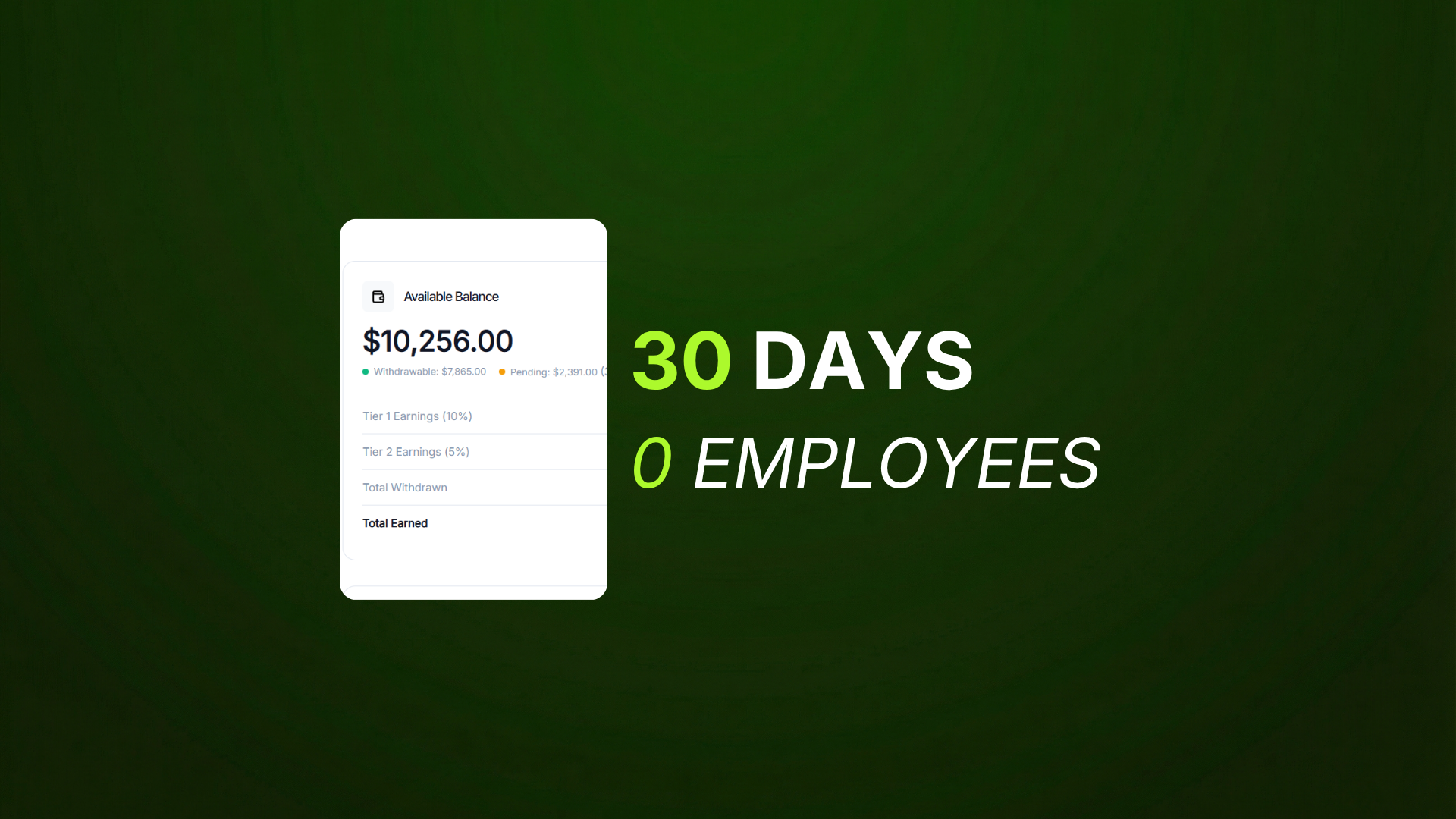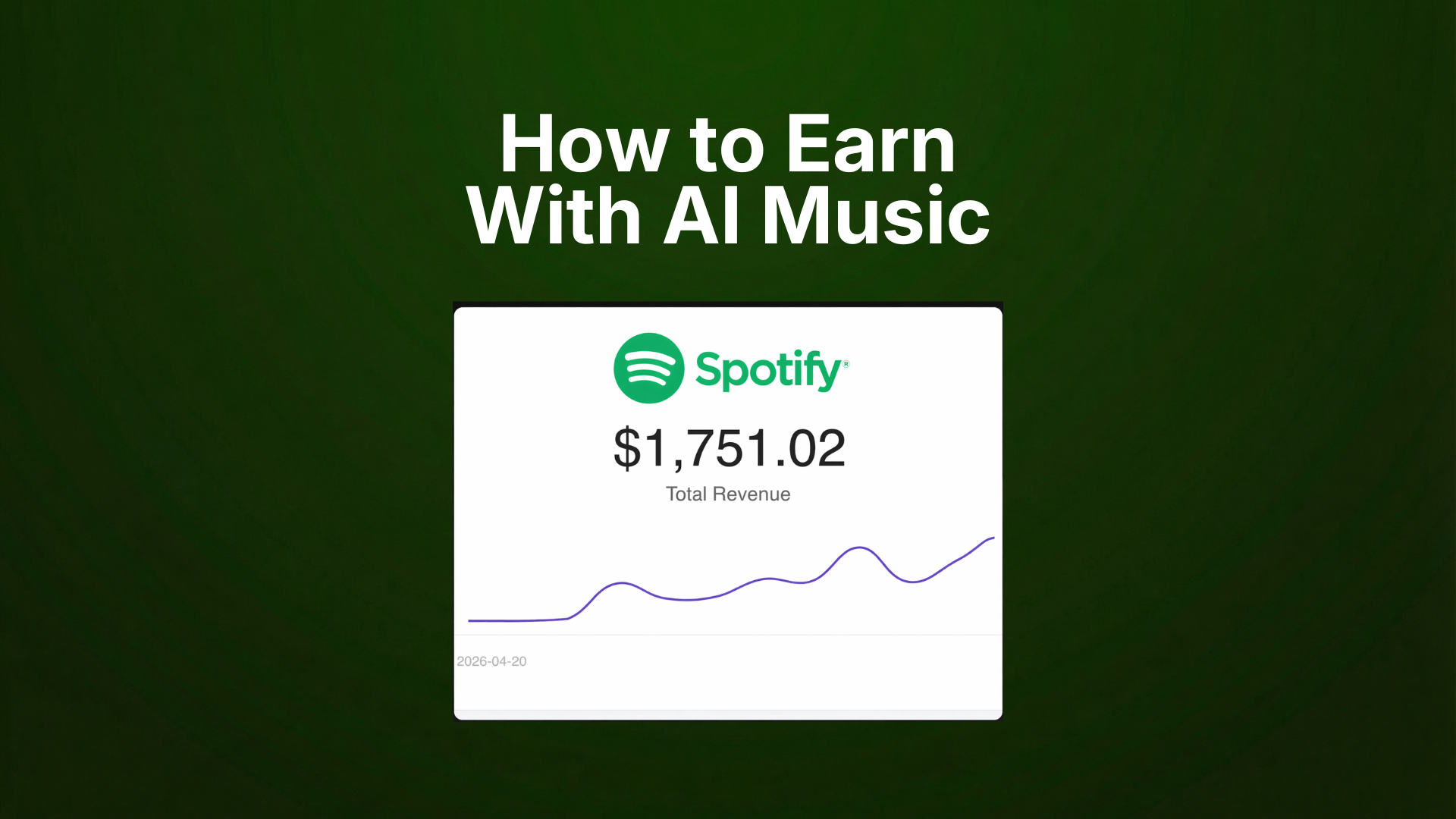
There’s a new way people are making money online, and most of them have zero experience doing it.
They’re not producers. They’re not musicians. In many cases, they’ve never touched music software before. But they’re generating songs using AI and making money from it.
If that sounds like one of those things that only works for a few people, it’s not. This is the same pattern we saw when tools like ChatGPT first came out. Early adopters figured out how to use it for business, and by the time everyone else caught up, the easy opportunities were gone.
Right now, AI music is in that early phase. And the people who understand how to use it are already building an advantage.
If you’re thinking AI music sounds fake or robotic, that’s a completely fair assumption.
That’s how it used to be. Early versions felt off. The vocals didn’t sound natural, the melodies were repetitive, and everything had that “generated” feel that made it obvious something wasn’t right.
But that’s changed fast.
Today, AI tools can generate full songs with structure, emotion, and surprisingly realistic vocals. You can get tracks that sound like lo-fi beats you’d study to, ambient music you’d play in the background, or even full songs with lyrics that feel human-written. In a lot of cases, if you didn’t know it was AI, you wouldn’t question it.
And that’s the moment where things start to click.
Because once the quality reaches a point where listeners don’t care how it was made, the only thing that matters is how it sounds. If it fits the mood, people will listen. If people listen, it can be monetized.
What makes this even easier is how simple the process has become. Tools like Sollo AI let you create tracks just by describing what you want. You’re not sitting there adjusting complicated settings or learning production. You type something like “calm piano music for studying” or “upbeat trap instrumental,” and within minutes, you have something usable.
So the barrier that used to exist, needing skill, experience, or expensive software, is basically gone.
And once you realize that, you stop looking at AI music as a novelty and start seeing it as something you can actually use.
Who Is Already Making Money (And How Much)
At this point, the question isn’t whether this works.
It’s who’s actually doing it right now.
And the answer is not who you’d expect.
It’s not big music producers or industry insiders. In most cases, it’s regular people who figured out how to use these tools early and started posting consistently. No audience at the start, no special connections, just experimenting and uploading.
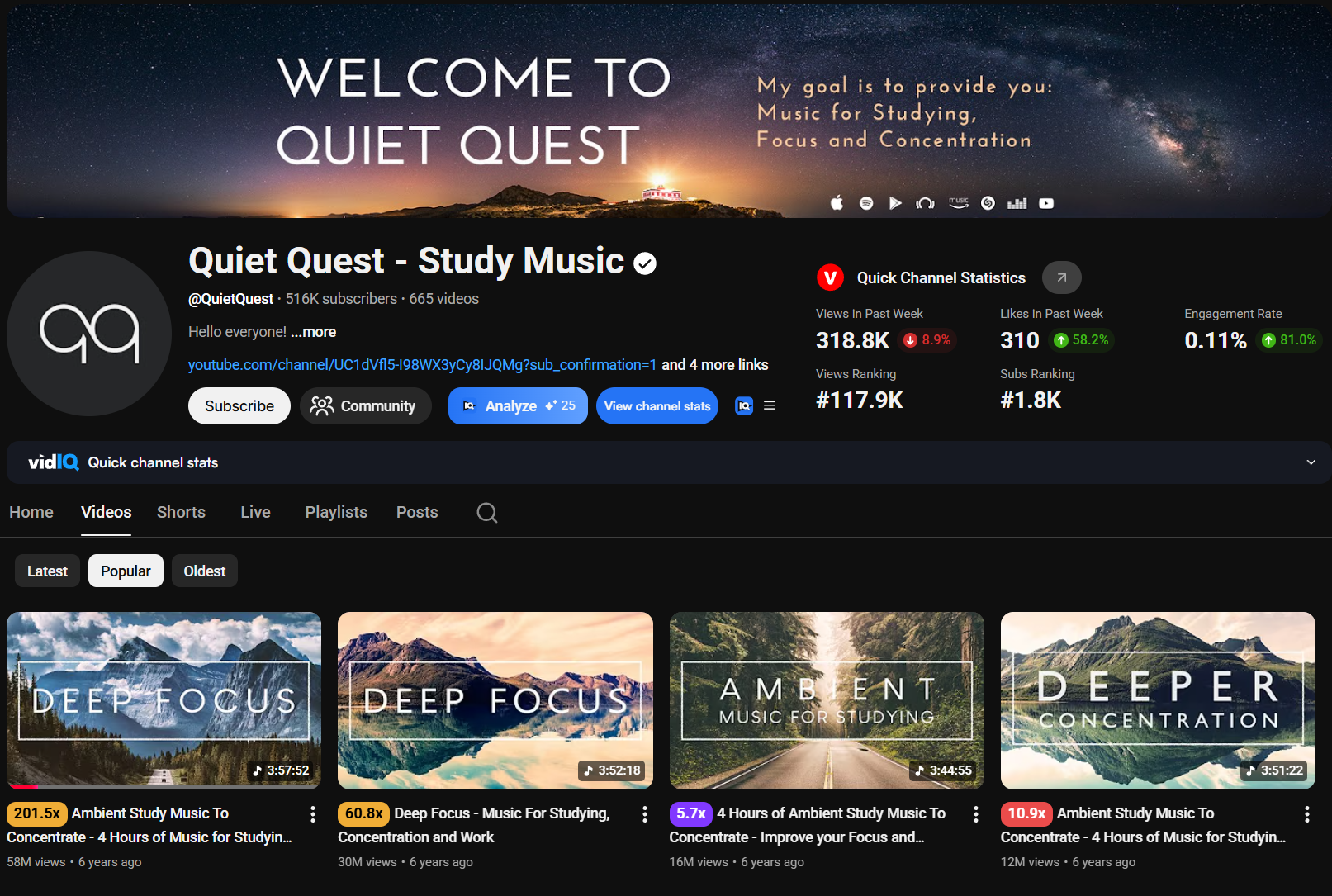
One of the easiest places to see this is on YouTube.
There are entire channels built around simple things like lo-fi beats, ambient background music, or “music to study to.” They upload long videos, sometimes an hour or more, and people just let them run in the background. Over time, those videos get thousands, and some even millions of views.
And because the watch time is so high, the AdRevenue from monetization quickly comes in.
Then you have marketplaces like Fiverr, where people are selling beats, custom tracks, or background music for videos.
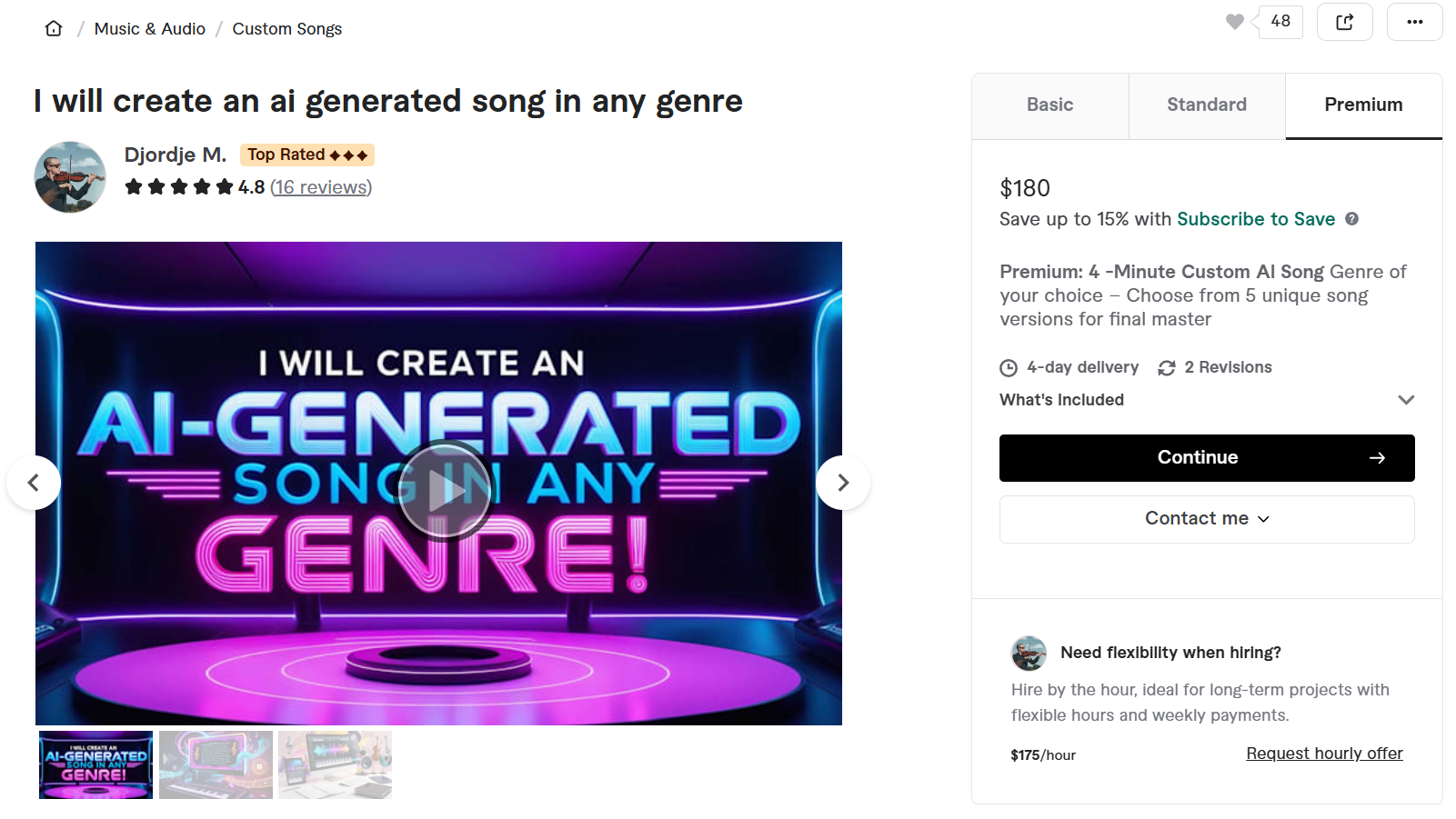
Think about it from the buyer’s side. A YouTube creator, podcaster, or small brand doesn’t need a $1,000 custom soundtrack. They just need something that sounds good, fits their content, and is ready to use. That’s exactly what these AI-generated tracks provide.
And because they’re faster to create, sellers can offer lower prices and still make it work.
The important part here is this isn’t one single method.
It’s a bunch of small, simple opportunities that stack together.
One person might be making a few hundred a month from YouTube. Another might be selling a handful of beats each week. Someone else is earning from streaming. None of it looks crazy on its own, but combined, it turns into something real.
That’s what makes this interesting.
And if they can do it without a background in music, it starts to feel a lot more accessible.
The 8 Proven Ways People Are Making Money With AI Music
There are multiple ways this is being used right now, and the interesting part is that most of them are pretty straightforward. Nothing complicated, nothing you need a background for. Just simple systems that work when you stick with them.
1. YouTube Music Channels
This is one of the easiest places to start as a beginner.
You’ve probably seen videos like “lo-fi beats to study to” or “relaxing ambient music.” These videos are usually long, sometimes an hour or more, and people play them in the background while they work, study, or sleep.
Now imagine being the one uploading those.
With AI, you can generate the music, pair it with a simple visual, and publish consistently. Over time, those videos build watch time, and once the channel is monetized, they start generating ad revenue.
It’s not instant, but it’s simple and scalable.
2. Streaming Platforms (Spotify, Apple Music, etc.)
Instead of videos, this method is about building a music catalog.
You create tracks across different moods like focus, sleep, relaxation, and upload them to platforms like Spotify or Apple Music using a distributor.
Each individual track might not do much on its own. But when you have 50, 100, or 200 tracks, the streams start adding up.
This turns into small, consistent monthly royalties.
3. Selling Beats to Artists
There’s always demand for beats.
Rappers, singers, and independent artists are constantly looking for instrumentals they can use. The problem is that traditional production can be expensive or slow.
With AI, you can generate unique beats quickly and sell them on platforms like Fiverr or beat marketplaces.
You’re not trying to compete with top producers. You’re just offering affordable, usable options for people who need something now.
4. Background Music for Content Creators
Think about how many YouTube videos, podcasts, and TikToks are uploaded every day.
Most of them need music.
Creators don’t want copyright issues, and they don’t want to spend hours searching for the right track. So they look for simple, royalty-free options.
That’s where you come in.
You can create packs of background music or even build a small library and sell access to it. It’s a very practical use case, and demand is constant.
5. Licensing Music to Businesses
This one is less obvious, but it’s everywhere.
Restaurants, apps, ads, corporate videos, even waiting room playlists all use music. And they need tracks that are safe to use commercially.
If you build a catalog, you can list your music on licensing platforms or reach out directly.
Businesses don’t care how the music was made. They care that it fits the mood and that they can legally use it.
6. Scoring for Short Films and Indie Projects
A lot of small filmmakers and creators need music for their projects.
Short films, YouTube series, indie productions. They all need soundtracks, but most of them don’t have the budget for a composer.
With AI, you can generate custom tracks based on what they need. A certain mood, a specific type of scene, a certain pace.
And you can charge per project.
7. Creating Sample Packs and Sound Kits
This is more for producers, but still very accessible.
Sample packs are collections of sounds like drum loops, melodies, or effects that other creators to use in their own music.
You can generate unique sounds, organize them into packs, and sell them on platforms like Gumroad.
Producers are always looking for new sounds, so if your pack is good, it can sell repeatedly.
8. Music for Games and Apps
Indie game developers and app creators need music too.
Background tracks, sound effects, menu music, all of it.
Most of them don’t want to create it themselves, so they look for ready-made solutions. If you have a catalog, you can sell directly or license your tracks for these projects.
It’s a growing space, and demand is only increasing.
The important thing to notice here is how simple each of these is on its own.
None of them require you to be an expert. None of them rely on going viral. They’re all just different ways of taking the same thing, AI-generated music, and putting it in front of people who need it.
And once you see all eight together, something else becomes obvious.
You don’t have to pick just one.
Why Most AI Music Tools Make This Harder Than It Needs To Be
At first, the idea sounds simple.
You open an AI tool, generate a track, and now you have something you can upload or sell. But once you actually try to turn that into something usable, you start to notice that the process isn’t as smooth as it seems on the surface.
Most AI music tools are built to do one thing well, which is generate the track itself, but they usually stop there. So you end up in this situation where you have the raw audio file, but everything that comes after that is still on you to figure out.
For example, once you generate a track, you might realize it’s not quite the right length, or it needs small adjustments to the structure. That means you now have to take it into a separate editing tool just to make basic changes. Then, if you want it to sound more polished, you might need another tool for mixing or mastering, especially if you’re planning to upload it to platforms like Spotify where quality matters more.
And that’s only one part of the process…
If your goal is to actually make money from the track, you also need visuals, whether that’s cover art for streaming platforms or video backgrounds for YouTube. So now you’re looking for another tool just to create something that looks decent. After that, you still need titles, descriptions, and basic SEO if you want your content to be discovered, which usually means jumping into yet another platform or trying to figure it out manually.
Individually, none of these steps are complicated, but when you stack them together, the process becomes fragmented. You’re constantly switching between tools, exporting and importing files, and trying to keep everything organized. It turns something that should feel simple into something that feels unnecessarily technical, especially for someone who is just getting started.
This is where most people get stuck.
Not because the opportunity isn’t real, but because the workflow feels messy and time-consuming, and it’s not obvious how to connect all the pieces in a way that actually leads to a finished result.
In a way, it’s the same problem that showed up early with other types of content creation. The tools existed, but they weren’t connected, so you had to build your own system just to make everything work together.
And when that friction is high, most people lose momentum before they ever get to the point where they can see results.
How Sollo.AI Simplifies the Entire Process
By this point, the opportunity usually makes sense, but there’s still one problem that slows most people down, and it’s not the music itself.
It’s everything around it.
If you try to do this the “normal” way, you quickly realize you’re jumping between multiple tools just to get one track out into the world. You generate the music in one platform, then you move it somewhere else to edit or extend it, then you need another tool to create cover art if you want to upload it to streaming platforms, and then you still have to write titles, descriptions, and metadata if you’re posting it on YouTube or distributing it to Spotify.
That fragmentation doesn’t just make things slower, it makes it harder to stay consistent, which is the one thing this model actually depends on.
This is where platforms like sollo.ai start to make a noticeable difference, because instead of treating music generation as a standalone feature, they approach it as part of a larger content and monetization workflow.
Rather than thinking in terms of “how do I generate one song,” Sollo’s AI Music Generation feature is built around the idea of “how do I create, package, and publish content that can actually perform and generate revenue.”
Inside Sollo, the process is designed to feel much more linear and connected, which is especially important for beginners who don’t want to deal with technical setups or complicated production processes. You can start with a simple prompt describing the style, mood, or type of track you want, generate the music within the same environment, and then immediately move into the next steps without needing to export files or switch platforms.
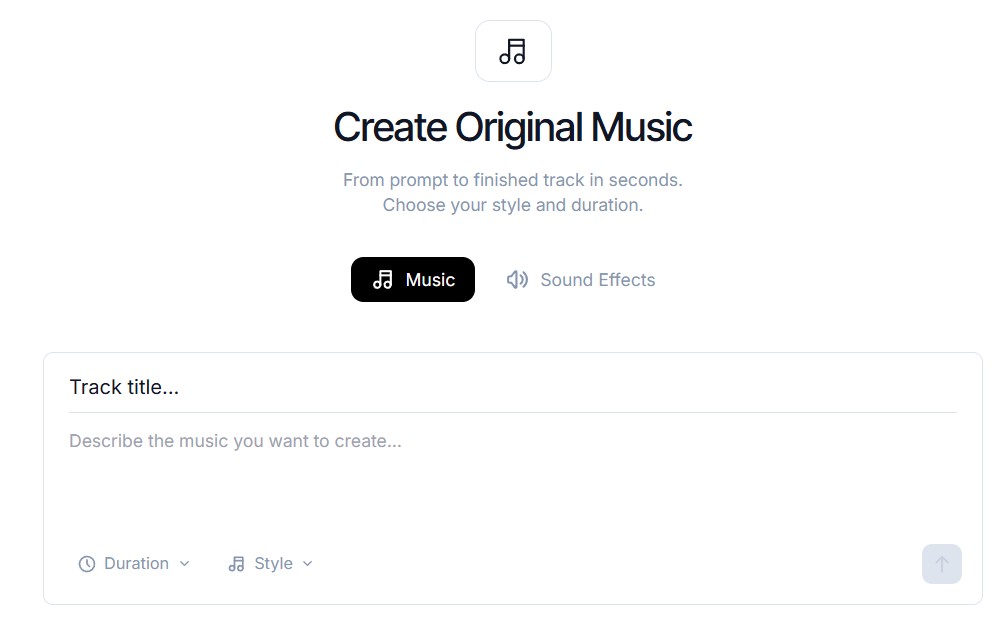
What makes this more practical is that the same system can handle the surrounding pieces that usually get overlooked but are essential for distribution and growth. That includes generating visuals or cover art for your tracks, writing optimized titles and descriptions for YouTube uploads, and even helping structure the content in a way that aligns with how platforms recommend and surface videos.

In other words, it’s not just about creating the asset, it’s about preparing it for where it’s going to live and how it’s going to be discovered.
This becomes even more useful if you’re building a YouTube channel around AI-generated music, because instead of treating each part of the process as a separate task, you’re working inside a system that connects music creation, content production, and publishing into one continuous flow. The same environment that generates the track can also support the creation of visuals, voiceover intros if needed, and written content that helps with search visibility and recommendations.
From a practical standpoint, that means less time spent managing tools and more time actually building a business, which is the part that matters.
And that’s really the shift here.
When the process becomes simple enough to repeat without friction, it stops feeling like a technical project and starts feeling like something you can scale, even if you’re starting with no experience in music production or content creation.
The Real Strategy to Make Money
Once people understand that AI music actually sounds good and that there are real ways to monetize it, the next step usually feels obvious. They pick one method, focus on it, and try to make it work.
But that’s not where the real opportunity is.
The people who are getting the most out of this are not treating each method separately. They’re looking at every track they generate as an asset that can be reused, repurposed, and distributed across multiple platforms at the same time. Instead of creating something once and hoping it performs in a single place, they’re building small systems where one piece of content feeds into several income streams.
For example, someone might generate a batch of ambient or lo-fi tracks using Sollo AI, starting with simple prompts that define mood, tempo, and style. Once those tracks are created, they don’t just sit on a hard drive or get uploaded to one platform and forgotten. The same tracks can be distributed to Spotify to start collecting royalties over time, especially when organized into themed releases that match specific listening use cases like focus, relaxation, or sleep.
At the same time, those exact tracks can be repurposed into long-form YouTube videos, where they are combined with simple visuals and positioned as background music for studying, working, or unwinding. Because these types of videos tend to generate long watch times, they create another layer of monetization through ad revenue, often from the same piece of audio that is already earning on streaming platforms.
From there, individual tracks or variations of them can be extracted and listed on marketplaces such as Fiverr or beat-selling platforms, where creators, small businesses, and content producers are constantly looking for affordable, ready-to-use music. In this context, the value is not in exclusivity or artistic identity, but in speed, variety, and usability, all of which AI-generated music makes significantly easier to deliver at scale.
What starts to happen over time is that a single batch of generated tracks is no longer tied to one outcome. Instead, it becomes a small portfolio of digital assets that can be monetized in multiple ways simultaneously. A track that earns a few dollars in streaming, a few dollars from YouTube, and occasional sales as a beat or background license begins to compound when this process is repeated consistently.
This is also where using an integrated platform like Sollo AI becomes more than just a convenience and starts to function as a multiplier. When the same system can be used not only to generate music but also to assist with content creation, descriptions, metadata, and even visual assets for distribution, it reduces the friction that usually prevents people from executing this kind of multi-platform strategy effectively. In practice, that means someone can go from idea to published content across several channels without needing to rely on multiple disconnected tools or workflows.
The reason this approach matters is because it shifts the focus away from trying to make one perfect track and toward building a repeatable system that produces and distributes music consistently. Each individual track does not need to perform exceptionally well on its own. What matters is the accumulation of many small outputs that are each positioned in the right places, gradually building a network of content that generates income from different directions.
When you look at it this way, the barrier to entry becomes much less about talent or experience and much more about understanding the process. And once that process is clear, the entire model becomes something that can be scaled over time, especially for those who are willing to treat each piece of generated music as part of a larger, interconnected system rather than a one-off creation.
Why You Need to Start Now
Right now, AI music sits in that short window where it’s powerful, accessible, and still underused. The tools are good enough to create real, usable tracks, but not so widely adopted that every niche is saturated. That’s the same phase where early users of tools like ChatGPT and Midjourney built their advantage. The difference here is that platforms like Sollo AI combine AI music generation, content creation, and monetization in one place, which makes it easier to go from idea to published content without friction. And when something becomes easier to execute, more people eventually do it, which is exactly when the opportunity starts to shrink.
The people who benefit the most aren’t the ones waiting for perfect timing, they’re the ones building early catalogs while competition is still low. Even a small library of AI-generated tracks can turn into multiple income streams if you start now and stay consistent. If you want to test this for yourself, the simplest move is to pick a niche, generate a few tracks using Sollo AI, and publish them across platforms. You don’t need everything figured out, you just need to start.
If you want to start, the link is sollo.ai