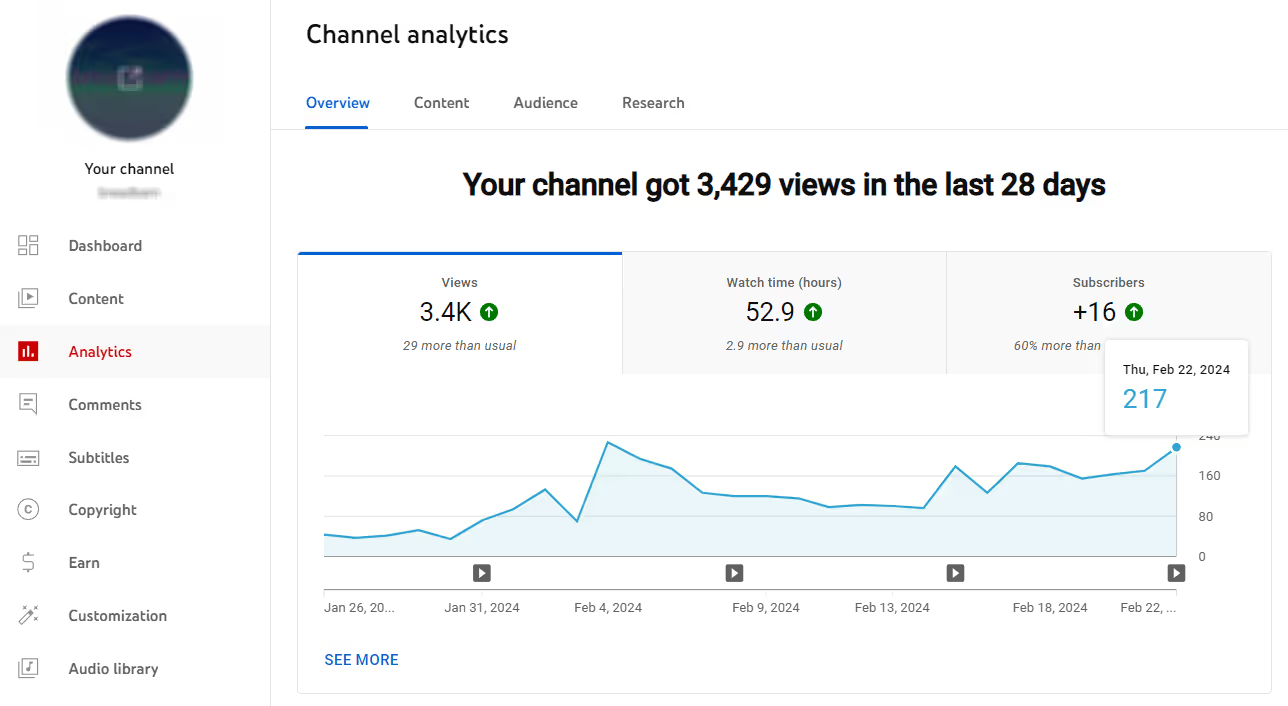
The truth is, YouTube is not unpredictable. It’s analytical. Every decision the platform makes is based on how viewers behave, and YouTube gives creators access to that data for free. The problem isn’t the lack of information - it’s knowing which analytics actually matter and how to use them without losing your creative identity.
Advanced YouTube analytics don’t exist to overwhelm you or turn you into a data scientist. They exist to help you understand real people: when they lose interest, why they click, what keeps them watching, and what convinces them to come back. When creators learn to read these signals correctly, growth becomes less about guessing and more about refining.
In this article, we’ll break down the most overlooked YouTube analytics that quietly influence growth, retention, and monetization. Each section focuses on real-world application, not definitions. The goal is simple: help you make better content decisions without harming your authenticity or creativity.
Audience Retention: The Metric That Decides Whether Your Video Gets Pushed
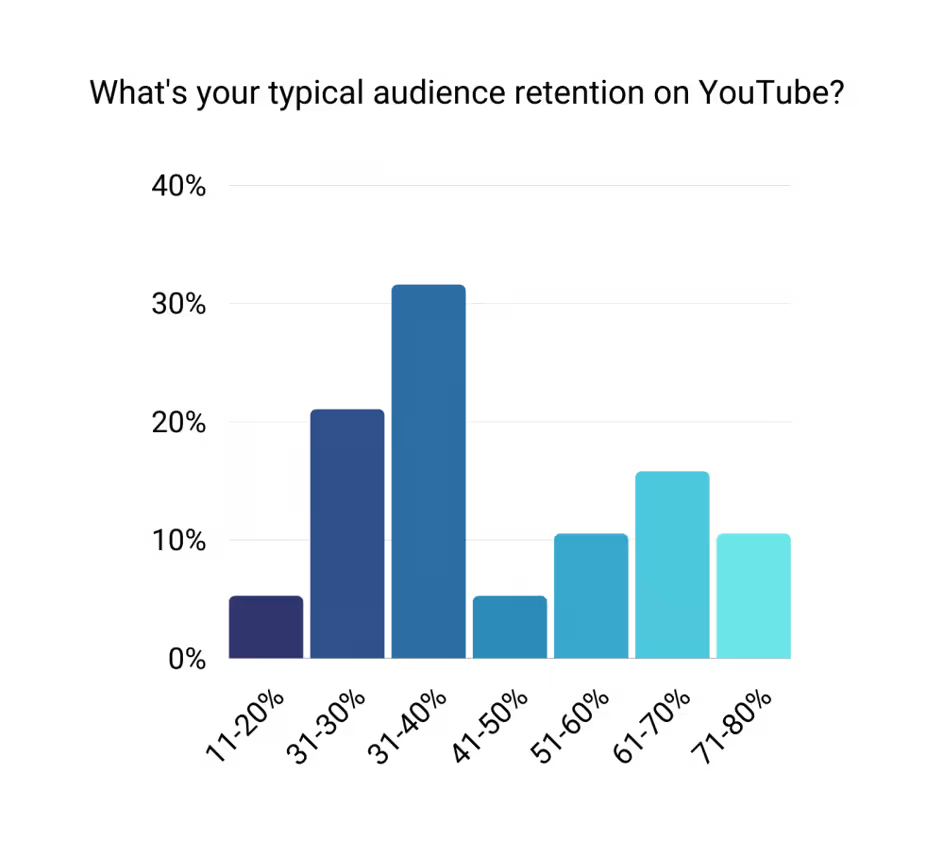
Audience retention is one of the most important signals in YouTube’s algorithm, yet it’s one of the least understood. Many creators look at the retention percentage and move on, assuming a higher number automatically means success. In reality, retention tells a story - and the details matter far more than the average.
Every dip in retention represents a moment when a viewer decided your video was no longer worth their attention. That decision could be caused by slow pacing, unclear direction, repetitive explanations, or even a mismatch between the title and the content itself. When creators ignore where those drops happen, they miss the opportunity to fix the real problem.
Retention also reveals whether your video feels purposeful. Viewers stay longer when they feel progress - when each part of the video moves them closer to a payoff. If a video feels like it’s stalling, even interesting content will lose viewers. That’s why strong structure often beats raw creativity.
Another overlooked aspect is how retention compares across your own videos. You don’t need “perfect” retention; you need improving retention. When creators compare similar videos and notice where viewers stay longer, patterns emerge. Those patterns become a framework for better pacing, better hooks, and clearer delivery.
High retention doesn’t come from tricks or clickbait. It comes from respecting your audience’s time. When viewers feel that staying is worth it, YouTube notices - and rewards your content with more impressions and recommendations.
Traffic Sources: Understanding Viewer Intent Instead of Just View Counts
Traffic sources are often treated as background information, but they explain why people clicked on your video in the first place. A view from search is not the same as a view from suggested videos, and treating them as equal leads to missed opportunities.
Search viewers are intent-driven. They arrive with a specific problem or question and expect clarity fast. If your video ranks in search but has low retention, it usually means the content didn’t fully match the expectation set by the search query. Suggested video viewers, however, are discovery-driven. They clicked because something caught their attention emotionally or visually.
External traffic adds another layer. Viewers coming from blogs, social media, or email newsletters often behave differently because their expectations were set outside of YouTube. If your external traffic leaves quickly, it may not be the content - it may be the way the video was framed or promoted.
Advanced creators don’t just ask where views come from. They ask what mindset the viewer was in when they clicked. That understanding influences how they write titles, design thumbnails, and structure introductions. Over time, this alignment dramatically improves both retention and watch time.
When traffic source data is used correctly, it stops being a report and starts becoming a strategy.
Unique Viewers: Measuring Real Reach Instead of Comforting Numbers
Views can be misleading, especially when they come from the same audience watching repeatedly. Unique viewers show how many individual people your content is actually reaching - and that number often reveals uncomfortable truths.
If your views remain stable but unique viewers stop growing, it usually means your content is circulating within the same group. That’s not bad, but it limits expansion. Channels that grow long-term consistently increase unique viewers, even when view counts fluctuate.
This metric is especially important for identifying breakout content. When a video reaches far beyond your subscriber base, it means something about that video resonated with people who had no prior connection to your channel. That’s not luck - that’s alignment between topic, presentation, and audience curiosity.
Focusing on unique viewers forces creators to think beyond their core audience. Is this video understandable to someone new? Does it stand alone? Would someone feel comfortable sharing it with a friend? These questions naturally lead to better content packaging and clearer messaging.
Creators who ignore unique viewers often feel stuck. Creators who track them intentionally understand when their channel is truly growing - and why.
Engagement Depth: Why Actions Matter More Than Likes
Likes and comments are visible, but they don’t fully represent viewer investment. Deeper engagement signals - such as shares, saves, playlist additions, and repeat viewing - reveal how much your content actually matters.
When someone shares your video, they’re attaching their credibility to it. When they save it, they plan to return. When they watch multiple videos in one session, they’re forming a habit. These actions carry far more weight than passive engagement.
Comments also deserve deeper interpretation. Short reactions are fine, but thoughtful comments indicate emotional connection. Questions, personal stories, or detailed feedback show trust - and trust is what drives long-term channel success and monetization.
Creators who focus on engagement depth stop chasing surface-level interaction. Instead, they create moments worth responding to. That might mean asking better questions, addressing real pain points, or simply speaking more honestly.
YouTube notices these behaviors. Videos that generate deeper engagement tend to be recommended more often because they keep viewers active on the platform.
Subscriber Behavior: Learning What Your Audience Actually Wants
Subscriber analytics are often reduced to gains and losses, but the real insight lies in why those changes happen. Some videos attract subscribers consistently, while others quietly push people away.
When creators study which videos drive subscriptions, patterns appear. Certain topics, tones, or formats resonate more strongly. Likewise, spikes in unsubscribes often indicate confusion or a mismatch between expectations and delivery.
Unsubscribes are not failures. They’re signals. They often mean the content direction changed too suddenly or didn’t align with what people subscribed for in the first place. Creators who ignore this data repeat the same mistakes.
Strong channels aren’t built by pleasing everyone. They’re built by serving a clearly defined audience consistently. Subscriber behavior analytics help creators sharpen that focus and reduce churn over time.
Revenue Analytics: Turning Views Into Sustainable Income
Not all views generate the same revenue, and revenue analytics make that clear. Two videos with identical views can earn completely different amounts depending on audience location, watch behavior, and content type.
RPM is one of the most valuable metrics because it shows actual earnings per thousand views. When creators track RPM alongside retention and traffic sources, they begin to understand which content is not just popular - but profitable.
Revenue breakdowns also highlight opportunities beyond ads. Memberships, premium views, and other income streams often outperform traditional ad revenue when used strategically.
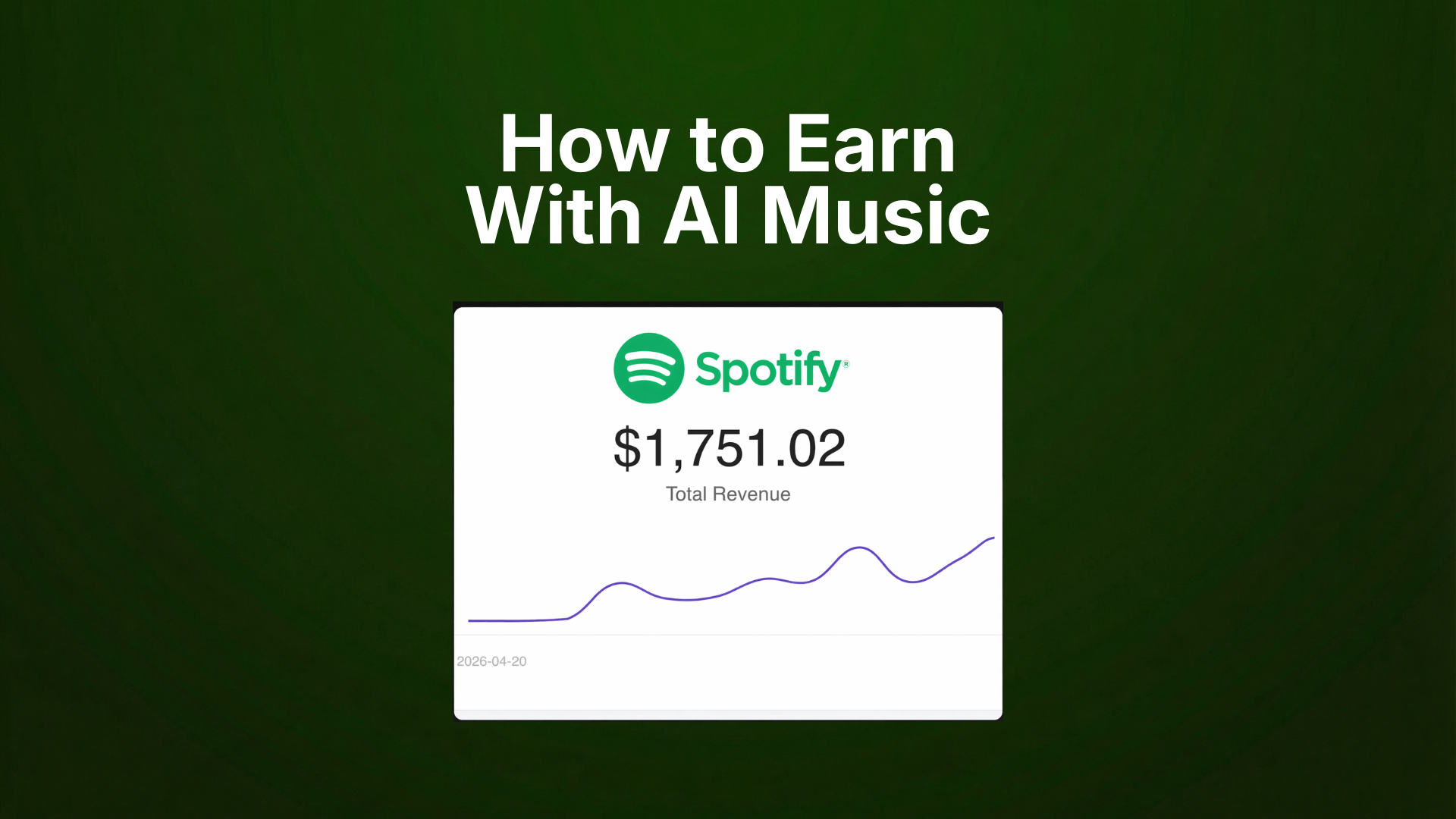
Creators who understand revenue analytics stop chasing viral chaos and start building predictable income systems.