Your channel name isn’t just a label sitting under your videos. It’s your brand, your identity, and often the very first impression people get of you. In many cases, it’s the difference between someone clicking “Subscribe” or scrolling past without a second thought. When the name feels right, it builds trust instantly. When it feels confusing or generic, growth becomes harder than it needs to be.
What most creators don’t realize is that successful YouTubers rarely pick names randomly. There’s a clear framework behind names that grow, convert, and scale over time. It’s not about luck or raw creativity. It’s about understanding how people think, how discovery works, and how branding compounds.
In this guide, you’ll learn how to choose a YouTube channel name that supports growth, monetization, and long-term success—without overthinking or boxing yourself into a corner.
Why Your YouTube Channel Name Actually Matters More Than You Think
Before getting into tactics, it’s important to understand why this decision carries so much weight.
Your channel name is the foundation of your entire YouTube presence. It appears everywhere—search results, suggested videos, comments, community posts, and subscriptions. Long before someone evaluates your content quality, they subconsciously judge your name. That judgment affects whether they click, trust, or remember you.
A strong channel name does three important things at the same time. First, it gives people context. Even without watching a video, viewers should have a general idea of what your channel offers. Second, it improves recall. If someone enjoys your content, your name should be easy enough to remember when they want to find you again. Third, it impacts discoverability. Names that align with search intent and branding principles tend to perform better across YouTube and Google.
Strong names also help you grow outside YouTube. When your channel expands to social media, email, or products, a clear and memorable name makes that transition smoother. Weak names often become obstacles later, forcing creators to rebrand once momentum is already built.
The Four Main Types of YouTube Channel Names (And When to Use Each)
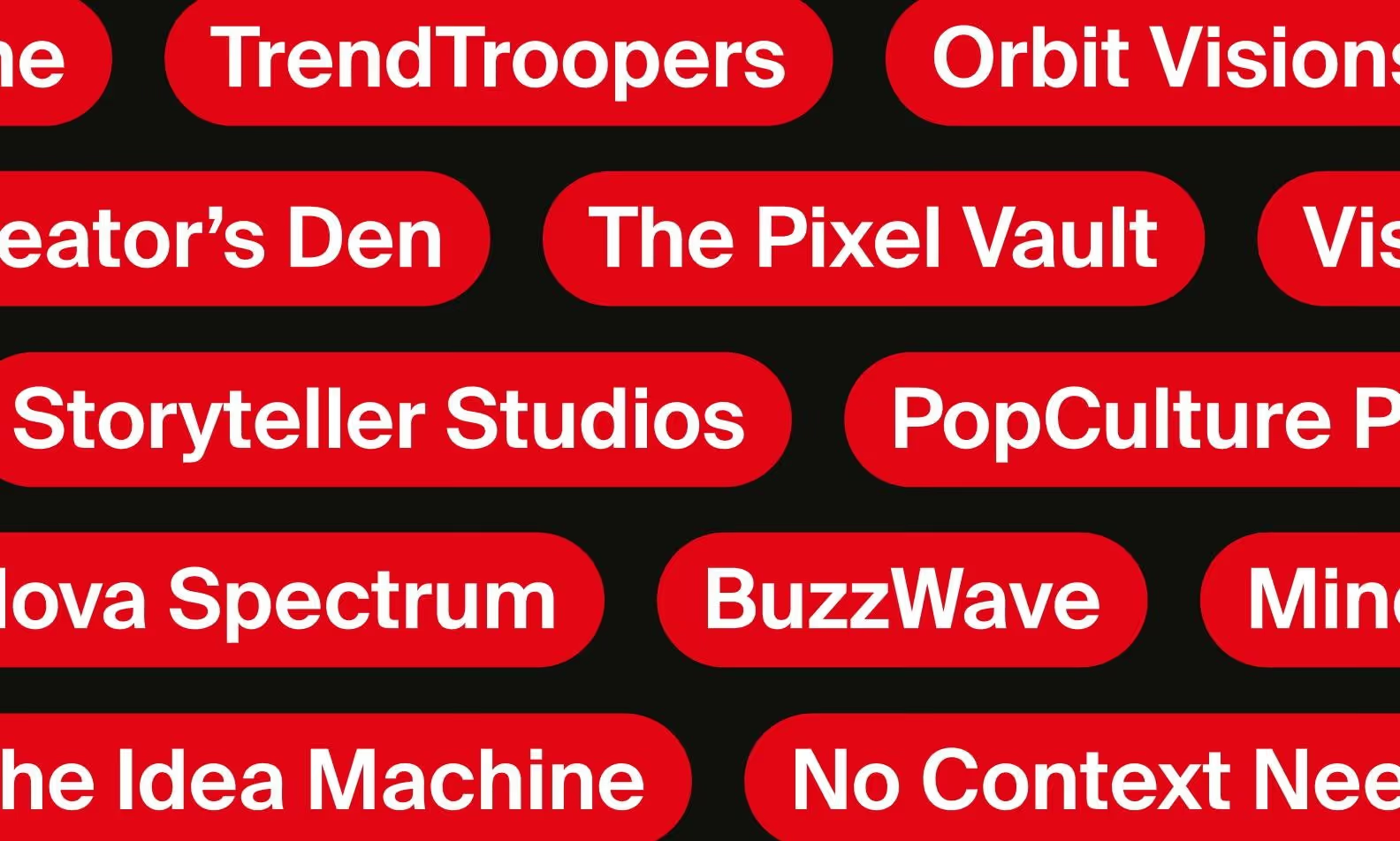
Most YouTube channel names fall into one of four categories. Understanding these types helps you choose a name that fits both your content style and your long-term goals.
Personal Names: Building Your Individual Brand
Using your real name works best when you plan to be the face of your channel. This approach is common among vloggers, educators, coaches, and creators who want people to connect with them personally.
The biggest advantage of a personal name is flexibility. As your interests evolve, your brand doesn’t break. You can pivot topics, expand niches, or change formats without your name feeling outdated. This makes personal branding a strong long-term play.
The downside is discoverability early on. If your name is difficult to pronounce, spell, or remember, people may struggle to find you again. In those cases, using a nickname, shortened version, or added descriptor can make your brand more accessible without losing authenticity.
Descriptive Names: Clear and Searchable
Descriptive names tell viewers exactly what your channel is about. They work well for tutorials, niche education, and problem-solving content because they match search intent closely.
These names often perform well in early growth because they remove ambiguity. People know what they’re clicking on. However, the trade-off is flexibility. If your interests change, a tightly defined name can feel restrictive and require a rebrand later.
Creative or Branded Names: Standing Out Over Time
Creative names don’t explain the content upfront, but they shine when branding is consistent. These names are memorable, unique, and scalable.
They require more effort at the beginning because viewers need time to associate the name with a topic. But once established, they often outperform descriptive names in brand power, loyalty, and monetization.
Hybrid Names: Clarity With Personality
Hybrid names combine branding and clarity. They work especially well when you want flexibility but still need context for new viewers. This approach balances searchability and long-term brand growth.
The Psychology Behind Memorable Channel Names
Great channel names stick because they align with how the human brain processes information.
The Stickiness Factor
Names that are simple, unexpected, or emotionally charged are easier to remember. Complexity creates friction. Simplicity builds recall. When a name sounds natural when spoken out loud, it spreads more easily through word-of-mouth.
Common Ground and Relatability
Strong names feel familiar. They reflect shared experiences, struggles, or identities. When viewers see themselves in your name, trust forms faster—even before the first video plays.
Curiosity and Intrigue
Curiosity drives clicks. Names that create questions or contrast trigger interest. The goal isn’t confusion—it’s intrigue. When done right, curiosity pulls viewers in and improves discovery.
Step-by-Step Framework for Choosing Your Channel Name
Here’s a practical process you can actually follow without getting stuck.
Step 1: Define Your Core Purpose
Be clear about who you help and how. Clarity here prevents generic naming and helps your brand grow with intention.
Step 2: Brainstorm Freely
Write everything down. At this stage, quantity matters more than quality. Patterns will emerge once you review your list.
Step 3: Check Availability
Search YouTube, social platforms, and domains. Confusion with existing brands slows growth and weakens authority.
Step 4: Test Memorability
If people can’t remember your name hours later, it’s a red flag. The best names survive casual conversation.
Step 5: Think Long-Term
Ask whether the name still makes sense if your channel grows or evolves. Flexibility now prevents regret later.