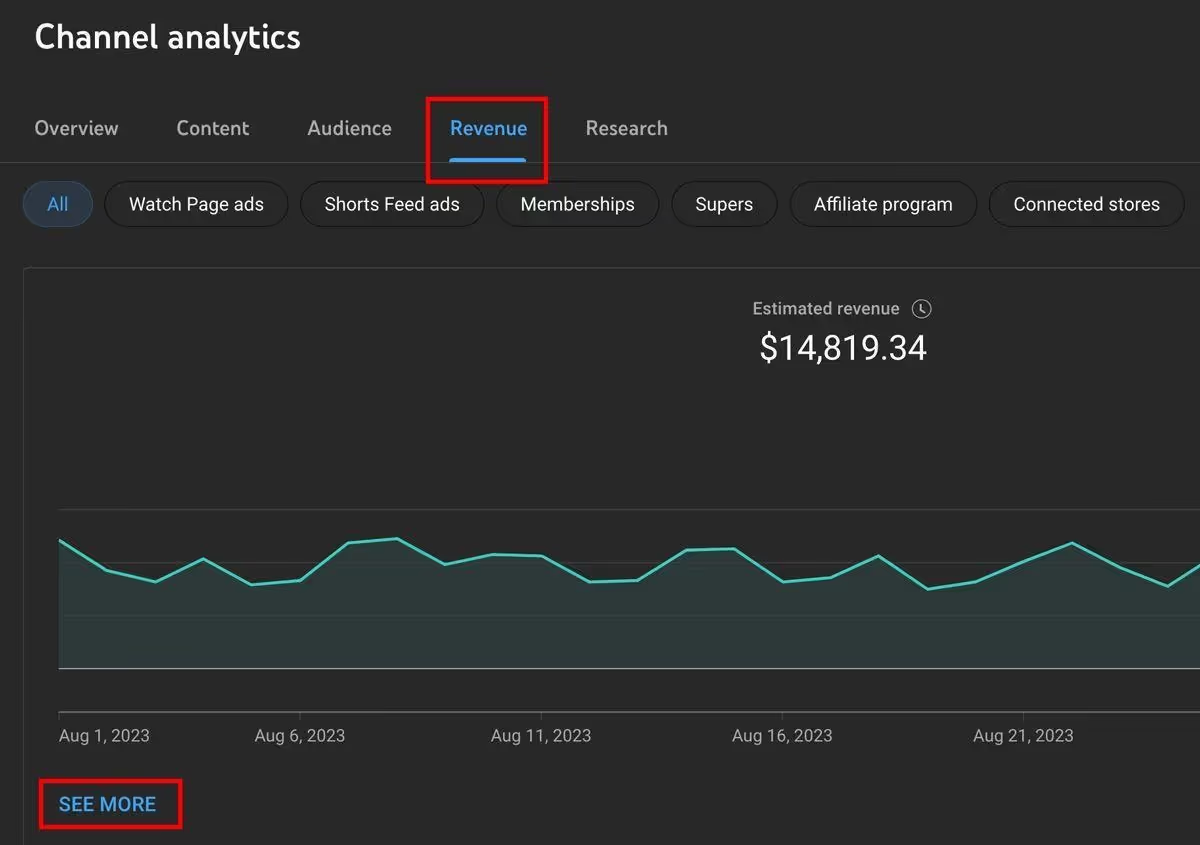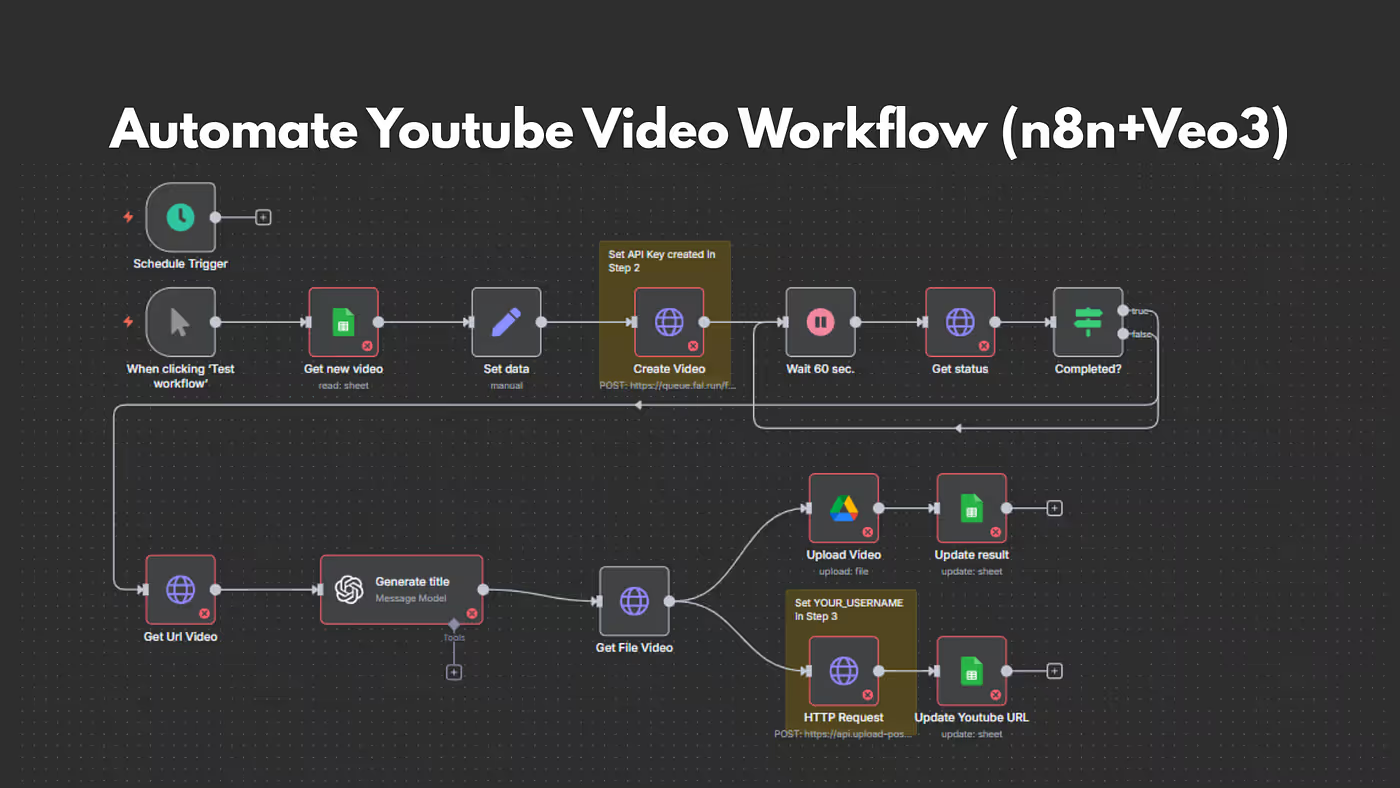
As YouTube evolves, the platform increasingly rewards creators who understand audience psychology, retention, and systems, while quietly filtering out those chasing fast money with low-effort content.
What has changed is not whether YouTube automation works, but who it works for. The days of copying clips, reusing footage, and relying on basic SEO tricks are over. Today, YouTube prioritizes viewer satisfaction, originality, and consistency. Channels that treat automation like a business continue to grow. Channels that treat it like a loophole disappear.
The original video, “YouTube Automation Millionaire Answers Questions…”, stood out not because of motivation or flashy income claims, but because it exposed the uncomfortable truths most people avoid. The creator openly discussed failures, demonetization risks, niche traps, and why the majority of beginners never make it past their first few months. That honesty is exactly why the advice still holds weight.
This article restructures those insights into six in-depth, practical sections, each designed to answer real search intent behind queries like “Does YouTube automation still work?”, “Why is my RPM low?”, and “How do I scale a faceless YouTube channel?”
If you apply even half of what’s outlined here, and apply it consistently, you will already be ahead of most people attempting YouTube automation today. Not because of luck, but because you’re operating with clarity instead of guesswork.
1. What YouTube Automation Actually Is (and Why Most People Fail)
YouTube automation is often misunderstood as “hands-off income.” In reality, it is hands-off execution, not hands-off thinking. The creator behind the original video emphasized this repeatedly: the moment you stop caring about originality, structure, and audience intent, your channel becomes disposable.
Automation means:
- You do not appear on camera
- You systemize production (editing, voiceover, uploads)
- You still control ideas, angles, and quality
Most people fail because they confuse automation with copying. They scrape clips, reuse footage, or slightly rewrite someone else’s script. YouTube’s detection systems are now advanced enough to recognize repetitive formats, recycled visuals, and derivative narratives. Reused content doesn’t just limit growth, it kills monetization entirely.
Practical Strategy
Think of automation as building a repeatable media system, not a content shortcut. Your role is to:
- Identify consistent demand
- Create original narratives within proven formats
- Package content in a way that can scale without losing quality
If you can clearly explain why someone would choose your video over a competitor’s, automation will amplify your results. If you can’t, it will amplify your failure.
2. Niches That Look Profitable but Are Dangerous (and How to Approach Them)
Some niches appear extremely profitable on paper (police body cam footage, politics, health), but carry hidden risks that beginners underestimate.
Police body cam channels fail primarily due to lack of access to original footage. Legally obtaining footage requires FOIA requests, long waiting periods, and sometimes fees. Many departments never respond. Channels that succeed usually have connections or insider access. Most beginners do not.
Politics is another major risk. Faceless political channels are heavily restricted, aggressively reviewed, and easily demonetized. Trying to bypass these systems almost always results in strikes or revenue loss.
Health content can pay well, but it is brutally saturated. High RPM alone does not guarantee success if you run out of ideas or fail to differentiate.
Smart Niche Strategy
Instead of chasing hype:
- Avoid niches dependent on restricted or copyrighted assets
- Avoid overly broad categories like “health” or “news”
- Focus on one audience, one problem, one clear angle
Example: not “health tips,” but “preventing hair loss for men over 30.” This level of clarity is what allows automation to work safely and consistently.
3. Why Most Channels Get Stuck at $300-$500 a Month
Getting stuck at $300-$500 per month is not failure, it’s feedback. It means YouTube understands your channel but hasn’t fully committed to pushing it yet.
The most common reason creators plateau at this level is lack of focus. They post too broadly, hoping something sticks. In contrast, YouTube rewards channels that deeply satisfy a specific viewer profile.
If one out of ten videos performs well, that is not luck, it is data.
Scaling Strategy
- Identify your top-performing video
- Break it down by:
- Topic
- Audience type
- Emotional hook
- Create multiple variations of that same core idea
Scaling is not about posting more videos. It is about posting more of what already works.
Key Tip
Ignore personal preference. Follow performance. Your audience defines your niche, not your interests.